Is there a problem with your level of fitness and longevity?
The training program focuses and designed to enhance these key five areas:
If you don’t USE it you LOSE it.
Here are just a few of the things you will learn:
In addition to the above we also do some unique training:
And of course there are some more benefits based on the way we conduct the program:
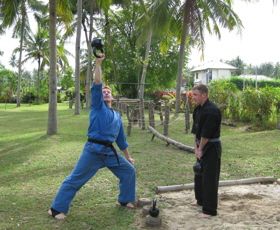 Meet new people
- Make new friends
- Try new experiences
- Breathe life back into yours
- Find joy and laughter with people of like mind
- Adventure in the outdoors
- Expand your world
- Get in a routine of improved thought
If you USE it you will LOSE it.
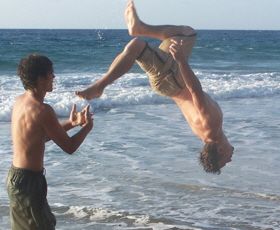 The same statement is true for losing weight and getting in better shape. Movement and changing your diet will have the greatest affect on your overall changes. It is not as simple as just moving more and eating less. Though that is a great place to start. The truth is, you need to move more and eat more too. It is all about the way that you move and the way that you eat:
- What moves
- When to move
- How to move
This is true with your diet and caloric consumption. You need to know:
- What to eat
- When to eat
- How to eat
Your program should never be about pain, starving or challenging your body. Those strategies are what hinders people from achieving long-term success.
You can keep it simple and produce results. The end goal each day is that you are expending energy and this expenditure should be greater than your caloric intake. Sitting in one place for hours on end doesn’t really expend much energy and this is why you may often hear that sitting is killing people.
We can get you on track in as little as 1 month
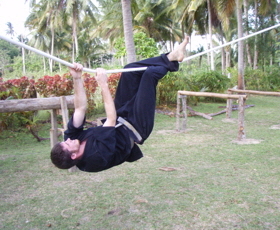 Our unique fitness program and the way that we see fitness will help you to 10X your results in only a few weeks!
Yes, you will need to keep up the routine and training but the idea behind the focused month of training is to get you used to a routine.
It will literally change your habits and the new lifestyle will help you to continue to:
- Stay in shape
- Eat healthy
- Be energized
- Live longer
The biggest challenge that most people have when they change their diet, sign up for the gym or follow a DVD at home is that they do not follow through. It is hard to be consistent. Here are a few reasons why people fall off track:
- They get too busy
- Cravings take over
- We use food to change our moods
- Lack of social support
- We live in the moment
- Didn’t buy the right groceries
- Don’t fully understand the process
- Have no energy to workout
- Motivation died on day 3
The above list is just a few of the reasons that limit people from being their best. We help you to fix that by proving the following:
- A coach to keep you on track
- We provide the meals you should be eating
- Time away from your schedule to really focus
- Educate you on the what, when, and why of fitness and food
- Keep you motivated with others of like-mind
- Use a fun exciting approach
- Help you to build a routine
We do all of this through the NinjaGym 1 month fitness and health program along with our Yosemite Fit program (optional outdoor adventure in nature for improved fitness).
REALITY: It is unrealistic to believe you will change your life in only a few days. You need to change core habits which require a set routine after a large focus of time and repetition.
Rick Tew is qualified to be your Fitness Coach
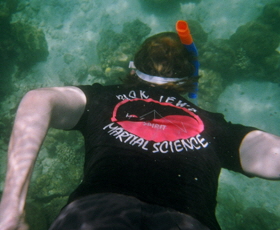 Rick Tew has been helping Students to improve their lives and see fitness and health as a way to continue living their lives to the fullest. As a martial arts instructor he uses unique methods that help the body to develop in 5 key areas of improvement. All of these areas will help you to improve your longevity.
- Strength
- Heart and lung conditioning
- Body stamina and endurance
- Flexibility
- Agility and motor control
In addition to the bodyweight workouts, Rick also provide unique martial art classes so that you gain an edge on your fitness. The martial arts provides muscle confusion and increases all of the 5 key areas for longevity too.
Ricks also teaches every participate a 10 martial art stances that they can use in 5 different workouts using all of the same 10 stances from the martial arts. This helps keep the workouts fun and exciting.
Ricks Ninja Yoga will give you something a bit different to do than traditional yoga. No moves are repeated so you can go from 1-10 without having to get bored or repetition. This is great for men that don’t like the slow pace of traditional Yoga and a new treat for Women that want to add something to their existing routines.